If you’re in the hay or straw business, you know that how you wrap your bales matters just as much as how you grow and harvest them. While traditional twine has been the go‑to for generations, more and more farmers are switching to net wrap – and for good reason. This article covers everything you need to know about net wrap: what it is, why it beats twine, how to choose the right type, and best practices for using it.
What Is Net Wrap?
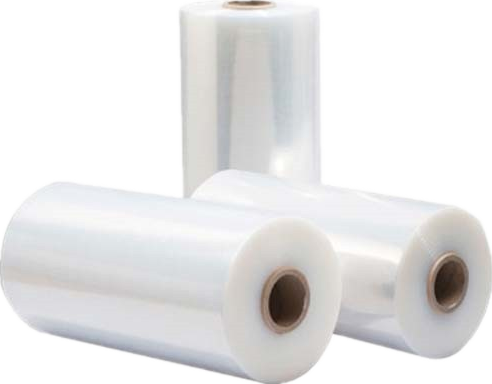
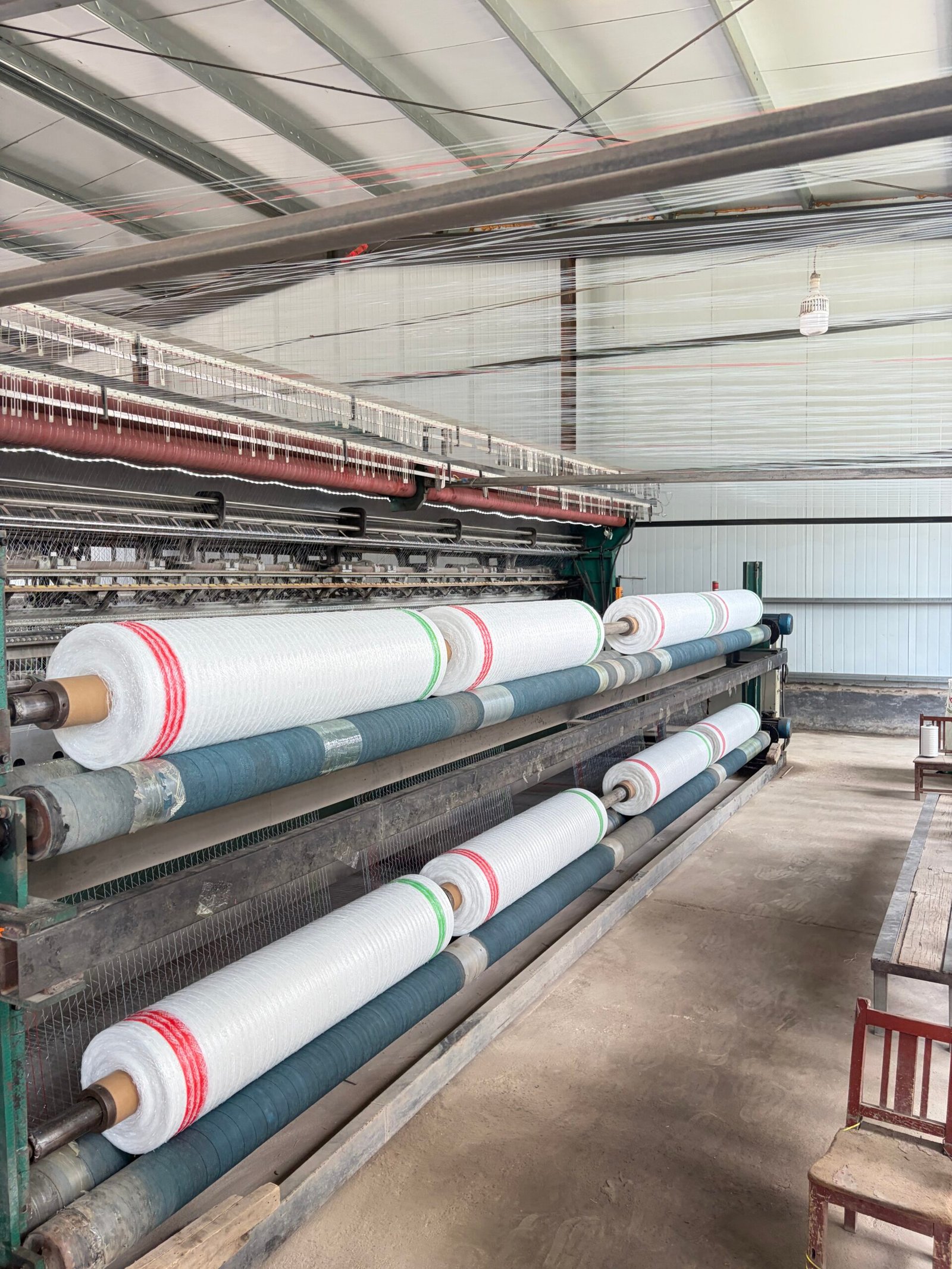
Net wrap is a plastic mesh material that wraps around round or square bales during the baling process. It consists of a continuous sheet of polyethylene netting that is fed into the baler’s chamber and then wrapped around the bale as it rotates. The netting is cut and tied off automatically, leaving a snug, breathable cover that holds the bale together.
Unlike twine, which uses several strands wrapped in a spiral, net wrap covers a much larger surface area of the bale – typically 80‑90% of the outer surface. This increased coverage is the key to its many advantages.
Key Benefits of Using Net Wrap
- Better weather protection – The tight mesh forms a “roof” over the bale, causing rain to run off instead of soaking in. This is especially valuable in regions with unpredictable rainfall.
- Reduced leaf shatter – For legume hays like alfalfa, the most nutritious part is the leaf. Net wrap holds leaves securely against the bale, minimising breakage during handling and feeding.
- Faster baling – A typical net‑wrapped round bale needs only 1.5 to 2 revolutions of wrap, compared to 10‑15 string wraps. This can increase your baling capacity by 20‑30% per hour.
- Easier handling – Net‑wrapped bales are more rigid and less likely to lose their shape when lifted, stacked or transported.
- Lower storage losses – Studies have shown that net wrap can reduce dry‑matter loss from 10‑15% (with twine) to as little as 5‑7%, saving you money over the winter.
Choosing the Right Net Wrap
Not all net wraps are identical. When purchasing, consider these factors:
- Mesh size – smaller mesh (e.g., 35‑40 mm) provides tighter coverage and is better for fine, leafy hay; larger mesh (45‑50 mm) is sufficient for coarse straw or grass.
- Width – match the width to your baler’s pick‑up and chamber dimensions. Common widths range from 1.2 m to 1.8 m.
- Colour – while most net wrap is clear or white, some farmers prefer coloured netting (e.g., orange or yellow) to easily identify different cutting or quality grades.
- UV stability – if bales will be stored outside for months, choose a wrap with UV inhibitors to prevent degradation from sunlight.
- Tensile strength – ensure the netting has enough strength to withstand the tension during wrapping without tearing.
Always buy from reputable brands (e.g., Tama, RKW, or Bridon) and check that the product is compatible with your baler model.
Application Tips for Best Results
To get the most out of your net wrap, follow these practical tips:
- Set the correct tension – too tight can cause the net to snap or damage the baler; too loose results in poor coverage. Consult your baler’s manual for recommended settings.
- Adjust the overlap – most balers allow you to set the number of wraps. For round bales, 1.5 wraps is standard; for square bales, 2‑3 wraps may be needed depending on density.
- Keep the net clean – store rolls in a dry, cool place away from dust and moisture. Dirty netting can clog the feeding mechanism.
- Inspect regularly – before each baling session, check for tears or weak spots in the roll. Replace the roll if you see any damage.
- Match bale density – denser bales hold shape better with net wrap, so adjust your baler’s density settings accordingly.
Environmental Considerations
Net wrap is made from polyethylene, which is recyclable in many regions. Some manufacturers offer take‑back programmes or produce wraps from recycled content. While it is not biodegradable, the long‑term benefits in reducing feed waste often outweigh the environmental footprint – especially if you properly dispose of or recycle used wrap.
Conclusion
Net wrap has revolutionised the way farmers preserve and protect their forage. It saves time, reduces losses, and ensures your bales arrive at the feed bunk in top condition. Whether you produce high‑quality alfalfa for export or grass hay for your own herd, investing in a good net wrap system is one of the smartest decisions you can make.
If you haven’t tried net wrap yet, consider a trial on a small batch. The results will speak for themselves – better bales, less waste, and more profit.
Have questions about which net wrap is right for your baler? Drop us a comment below or contact our team for personalised advice.